

|
Getting your Trinity Audio player ready...
|
November 25, 2025
Quick wins, likes, deals, and notifications give us instant satisfaction — yet leave us feeling empty soon after. Real success, however, isn’t built on short-term pleasure. It’s built on trust, connection, and purpose — the chemistry of serotonin. In this new Elite Officer piece, we explore why chasing pleasure makes us miss happiness — and how smart professionals are using neuroscience to build deeper relationships, better business, and lasting growth
Why We Chase Pleasure But Miss Happiness
We often chase things that make us feel good — a slice of chocolate cake, a new pair of shoes, or blaming someone else when something goes wrong.
Each of these moments triggers a powerful chemical in our brain: dopamine, the “pleasure neurotransmitter.”
Dopamine evolved to keep us alive — it makes us seek food, reproduction, and social approval. It’s fast, intense, but short-lived. That’s why we’re always looking for the next hit.
But happiness is different. Happiness is quiet, long-lasting, and built over time. It doesn’t come from dopamine — it comes from serotonin, the neurotransmitter of calm, connection, and contentment.
Serotonin is released when we share, connect, and give — not when we take. True happiness is born in deep conversations, meaningful work, gratitude, and helping others.
How Dopamine Blocks Happiness
Here’s the tricky part: dopamine actually blocks the release of serotonin.
The more we chase short-term pleasure, the harder it is to experience lasting happiness.
For example, blaming others for our failures gives us a small dopamine boost. It feels good in the moment — but it actually makes us less happy. Why? Because it prevents us from taking ownership, growing, and connecting — all serotonin-generating behaviors.
The same happens with consumer behavior. That dopamine rush when we buy something new? Addictive. But the more we rely on buying for that hit, the emptier we feel later.
We’re mistaking pleasure for happiness — and that confusion drives much of today’s marketing world.
Selling Without Selling: The Power of Meaning
So… how do we sell in a world where buying doesn’t bring happiness?
Simple. We don’t sell. We offer meaning.
At The Elite Officer, our partners don’t just buy visibility — they invest in connection, recognition, and purpose.
When a Loan Officer sees their story in our magazine, discovers a tool that makes their job better, or feels part of a growing professional community — that’s not dopamine.
That’s serotonin.
That’s happiness.
And that’s what builds loyalty and brand equity.
For Loan Officers: Turning Knowledge Into Trust
1. Don’t push — position.
Investors don’t want to be chased; they want to feel understood. The best Loan Officers position themselves as trusted advisors, not desperate dealmakers.
That builds serotonin-based trust, not dopamine-charged pressure.
2. Educate, don’t just quote.
When you help investors learn, compare, and plan, you activate their rational brain and win long-term loyalty.
Value first, numbers second.
3. Mirror their mindset.
Are they growth-driven (promotion mode) or risk-averse (prevention mode)?
Match their language and goals. Dopamine responds to action; serotonin builds through alignment.
4. Create belonging.
People want to feel part of something bigger. Invite them into a network, share insights from peers, and position them within a community.
When they feel seen — they stay.
5. Make every follow-up count.
Don’t just “check in.” Share useful info, celebrate wins, and show appreciation.
That’s not selling — that’s relationship building.
Serotonin Sells — Dopamine Fades
In both lending and advertising, short-term dopamine closes deals.
But long-term serotonin builds brands, trust, and legacies.
At The Elite Officer, we believe in the power of serotonin-driven business:
Deeper connections. Smarter decisions. Lasting growth.
Because when you build trust — not just transactions —
you’re not just working.
You’re leading.
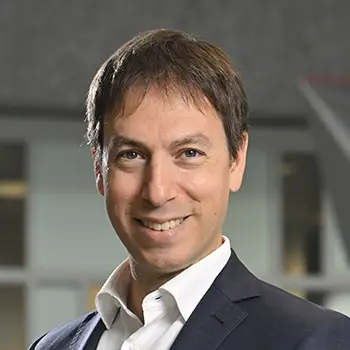
Uriel Fleicher
Editor in Chief and Co-Founder of The Elite Officer
Uriel Fleicher is a lawyer from Argentina with a strong academic background, holding a Master in Business Law and currently pursuing an MBA. Throughout his extensive career, he has provided legal counsel to Private Lending Firms in Argentina, which allowed him to establish valuable connections with key industry leaders in the United States. This experience enabled him, along with his partners, to identify a unique opportunity: the creation of The Elite Officer.
This column is part of Neuroscience in Action: A Tribute to the Teachings of Estanislao Bachrach, a series exploring how neuroscience can be applied to everyday performance in the lending industry.
This section is independently produced by the editorial team of The Elite Officer. It is inspired by the public lectures and published works of neuroscientist Estanislao Bachrach, but it is not affiliated with or endorsed by him.
Estanislao Bachrach
Holds a PhD in Molecular Biology from the University of Montpellier and a Bachelor’s in Biological Sciences from the University of Buenos Aires, with additional leadership and innovation training at Harvard University. He has taught at Universidad Torcuato Di Tella, speaks internationally, and is known for blending neuroscience, creativity, emotions, and leadership. He’s the author of several impactful books: ÁgilMente (translated into English as The Agile Mind: How Your Brain Makes Creativity Happen – 2017) ; EnCambio (2015); Cuentos y Juegos para Ágiles Mentes (2016); Random (2017); Zensorial (Spanish title: Zensorialmente: Dejá que tu cuerpo sea tu cerebro, 2023); ÁgilMente 2 (2023); and ¡Soltá! (2024). His work centers on applying brain science to enhance well‑being, emotional intelligence, decision‐making, and the link between mind and body through sensory awareness.