|
Getting your Trinity Audio player ready...
|
March 5, 2026.
After a powerful first day of discussions, Day 2 of Elevate 2026 continued with another series of conversations that moved between strategy, leadership, and the human side of building businesses in private lending.
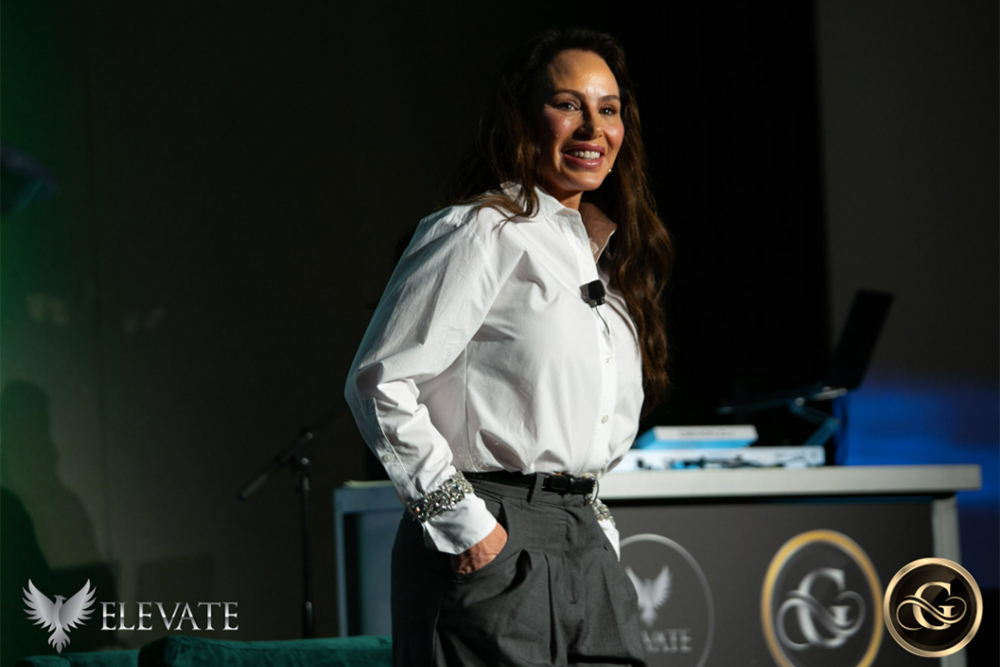
Among the standout moments was the appearance of Molly Bloom, whose extraordinary story — known to many through Molly’s Game — brought a different kind of energy to the stage. Her reflections on resilience, pressure, and rebuilding after failure resonated strongly with a room full of entrepreneurs and dealmakers. But Bloom was only one part of a broader lineup of speakers and panels that continued to unpack the realities of today’s lending landscape.
The Anatomy of a Private Loan: Documentation, Compliance, and Designed Protection

Anthony Geraci, Esq. CEO & Founder of Geraci, LLP took the stage not to overwhelm the room with statutes or code sections, but to demystify the legal framework that surrounds private lending.
In a space where speed and yield often dominate the conversation, he slowed it down and explained — in practical terms — what actually protects a lender: proper documentation, enforceable guarantees, thoughtful underwriting language, licensing awareness, and a clear understanding of business-purpose versus consumer-purpose transactions.

He translated complex legal structures into operational clarity, helping brokers and lenders understand not just what documents to use — but why they matter.
He framed private lending as a river with significant opportunity — but also powerful currents. The returns can be attractive, the flexibility appealing, and the growth real.
But beneath the surface, there are rocks:
Usury thresholds.
State licensing traps.
Title and insurance gaps.
Default interest miscalculations.
Structural mistakes that only surface when a deal goes bad.
In fast water, confidence is important.
But navigating safely requires a captain who knows where the rocks are — and how to steer before you hit them.

Molly Bloom: Resilience Under Pressure

Molly Bloom brought a different kind of intensity to Day 2 — not through industry jargon, but through a story about identity, collapse, and rebuilding. Known for the journey behind Molly’s Game, Bloom framed her keynote as a blueprint for what happens when life falls apart: how to keep getting up, stop negotiating with fear, and use adversity as raw material for reinvention. From a youth career in competitive skiing interrupted by severe scoliosis — and later ended by a freak accident — she emphasized a lesson that stayed with her: the voice of doubt is not the problem; the problem is listening to it.


Her most resonant takeaway for a room full of entrepreneurs and dealmakers was about integrity, emotional intelligence, and ownership. Bloom described how her success came not from access, but from mastering human behavior — creating trust, making people feel safe, and building experiences where relationships mattered more than status. And when everything imploded — federal indictment, assets seized, public humiliation — she refused the “easy exit” of selling out others to save herself, choosing instead to rebuild her life through accountability and purpose. The message landed clearly: in high-pressure worlds, resilience is not a slogan — it’s a practiced skill, and character is what determines who earns a second chance.


Secrets to Closing More Deals in 2026

Bob Eakin, CEO of JCap Private Lending, and Aaron Siefker, Partner, centered their discussion on a simple but often overlooked advantage in private lending: speed. In a market where property values are flattening and inventory remains tight, they argued that the brokers who succeed are those who understand how to move quickly and position the right deal with the right lender. According to the panel, closing more deals in 2026 is less about chasing volume and more about mastering the mechanics of execution — knowing your file, understanding the lender’s real parameters, and presenting the full story of the borrower and the asset from the start.


A key theme throughout the session was that private lending remains a people business. Brokers act as the bridge between borrower and capital, and the most successful originators are those who build trusted relationships with lenders who understand their deals. When a broker truly knows a lender’s box — the geography, asset types, loan sizes, and risk tolerance — deals can move from initial conversation to approval in hours rather than weeks.

The panel also highlighted where many deals are actually found. Rather than waiting for listings to appear publicly, they encouraged brokers to look for “life events” — moments when borrowers suddenly need liquidity or speed: divorces, inheritances, probate situations, bridge financing for a purchase before a home sells, or investors needing short-term capital to unlock a new opportunity. In those moments, bridge lending becomes less about interest rate and more about solving a problem quickly — and the broker who identifies that moment first is often the one who closes the deal.

Final Reflection
Elevate 2026 wasn’t just another conference on the calendar.
It was a reminder.
A reminder that growth is possible — but only when energy meets structure, opportunity meets discipline, and ambition meets responsibility. The inspiration was real. The strategies were actionable. The risks were clearly defined. And the relationships felt intentional.
When you combine resilience, operational clarity, legal awareness, and a community that holds itself accountable, something shifts.
That’s when limits start to feel smaller.
And that may be the real reason rooms like this matter.