


|
Getting your Trinity Audio player ready...
|
June 9, 2026.
Private lending has always been a relationship-driven business.
The most successful originators are often those who know their local markets, understand their borrowers, and consistently create lending opportunities. Yet as many firms grow, they encounter a common challenge: their ability to source transactions begins to outpace their ability to fund them.
At the same time, institutional capital providers face a different problem. Capital is available, but finding experienced originators with strong borrower relationships, disciplined underwriting practices, and consistent deal flow is not always easy.
The result is a disconnect that exists throughout much of the private lending industry: strong opportunities and available capital often struggle to scale together.
Tower Fund Capital believes the future of private lending lies in solving that problem through better alignment.
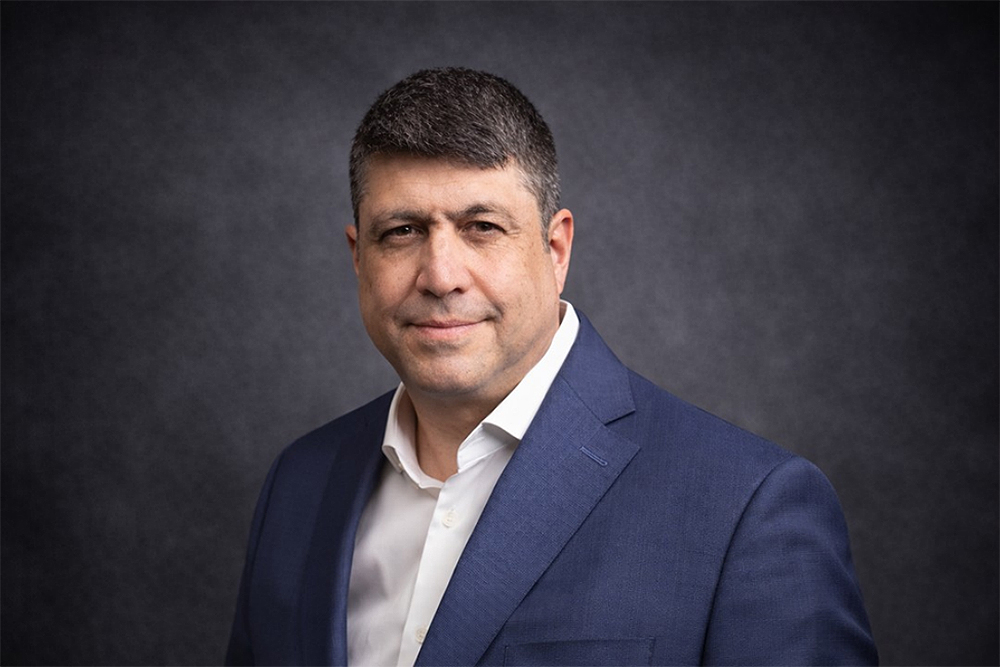
To discuss how lending partnerships are evolving and why collaboration between originators and capital providers may become increasingly important, I sat down with Ed Gitlin, Founder & Principal of Tower Fund Capital.
During our conversation, Ed shared his perspective on the industry’s next phase of growth, the importance of committed capital, and how Tower’s Affiliate Partnership Model is designed to help lenders, brokers, and originators expand their businesses without sacrificing discipline or execution.
Uriel Fleicher: Ed, many people still think private lending is primarily about capital. You often talk about alignment. Why?
Ed Gitlin: Capital is important, but capital alone isn’t what creates sustainable growth.
What we’ve seen over the years is that many talented originators develop strong borrower relationships and consistent deal flow, but eventually reach a point where balance-sheet limitations slow their growth. On the other side, institutional capital providers are looking for reliable channels through which they can deploy capital efficiently and responsibly.
The real opportunity exists when those two groups become aligned. That’s where long-term growth starts to happen.
Uriel Fleicher: Is this becoming a larger issue as the industry matures?
Ed Gitlin: Absolutely.
Private lending has become far more sophisticated over the last decade. Borrowers are more educated. Capital providers are more disciplined. Competition has increased significantly.
As firms grow, success is no longer just about finding more deals. It’s about creating repeatable systems that allow capital, underwriting, operations, and origination to scale together. That’s where strategic partnerships become increasingly valuable.
Uriel Fleicher: Tower Fund Capital has developed what you call an Affiliate Partnership Model. What was the thinking behind creating it?
Ed Gitlin: We realized that not every professional in the industry wants the same thing.
Some people simply want to monetize their relationships and refer opportunities. Others want a deeper role in the origination process. Some want to retain economic participation and build scalable lending platforms.
Instead of forcing everyone into a single structure, we created a framework that allows professionals to engage at different levels while still benefiting from Tower’s capital platform, underwriting expertise, and execution capabilities.
Uriel Fleicher: Let’s talk about those options. What are the primary ways someone can work with Tower Fund Capital?
Ed Gitlin: Broadly speaking, there are three primary paths. The first is the Broker / Referral Partner Model. The second is the Table Funding / Co-Origination Model. The third is the Participation / Whole Loan Sale Model. Each serves a different purpose and allows professionals to engage based on their business goals, available capital, and desired level of involvement.
Uriel Fleicher: Can you help our audience understand the key differences between those three structures?
Ed Gitlin: Certainly.
The Broker / Referral Partner Model is designed for professionals who have strong borrower relationships and deal flow but don’t want to deploy capital or manage the lending process. They identify opportunities, make introductions, and earn compensation when transactions close.
The Table Funding / Co-Origination Model takes things a step further. In that structure, the affiliate remains actively involved in sourcing and structuring the loan while Tower provides the capital at closing. It allows originators to significantly increase production volume without tying up their own balance sheet.
The Participation / Whole Loan Sale Model is designed for more experienced lending professionals who want deeper economic involvement. Depending on the structure, they may retain a participation interest in the loan or sell loans into a larger capital platform while continuing to benefit from the economics and long-term growth of the relationship.
As you move from one model to the next, the level of involvement, responsibility, and economic participation generally increases.
Uriel Fleicher: Let’s break them down one by one. Starting with the Broker / Referral Partner Model. Who is it best suited for?
Ed Gitlin: Referral Partner is ideal for professionals who have established borrower relationships but prefer to focus on business development rather than funding, underwriting, servicing, or asset management. Many brokers are exceptionally good at creating opportunities. This structure allows them to stay focused on that strength while leveraging Tower’s infrastructure and capital platform.
Uriel Fleicher: How is the Table Funding / Co-Origination Model different from a traditional referral relationship?
Ed Gitlin: In a referral relationship, the affiliate introduces the opportunity and Tower takes it from there. In a co-origination structure, the affiliate plays a much more active role throughout the transaction. They’re involved in the borrower relationship, deal structuring, and origination process. For many firms, it’s an attractive option because it allows them to operate like a larger lending platform without having to fund every transaction themselves.
Uriel Fleicher: It sounds like a way for originators to scale faster without adding significant balance-sheet risk.
Ed Gitlin: Exactly.
Many talented originators don’t have a sourcing problem. They have a capital efficiency problem. Table funding allows them to preserve liquidity while increasing origination capacity. That’s often a very powerful growth lever.
Uriel Fleicher: And then there’s the Participation / Whole Loan Sale Model, which appears to be the most sophisticated option.
Ed Gitlin: Generally speaking, yes. This structure is designed for firms that want deeper participation in the economics of the lending platform. Rather than simply referring or co-originating loans, they may retain a portion of the credit exposure or participate directly in the performance of the loan portfolio. For experienced lenders looking to build long-term enterprise value, participation structures can create a very different growth trajectory.
Uriel Fleicher: One thing that stood out to me while reviewing your model is the concept of committed capital. Why is that distinction so important?
Ed Gitlin: Because certainty matters. There’s a significant difference between capital that may be available for a transaction and capital that is committed to supporting a long-term relationship. Originators need confidence that they can continue serving their borrowers as their businesses grow. When that confidence exists, they can focus on building relationships and generating opportunities rather than constantly searching for funding solutions. Committed capital creates stability, and stability creates growth.
Uriel Fleicher: Trust also seems to be a recurring theme in everything you’ve described.
Ed Gitlin: It has to be. Every successful capital partnership is built on trust, transparency, and consistent execution. Capital providers need confidence in the originator’s discipline and professionalism. Originators need confidence that their capital partner will perform reliably and communicate clearly. Those relationships aren’t built through one transaction. They’re built through repeated success over time.
Uriel Fleicher: We’ve only scratched the surface today. What stands out to me is that each of these models addresses a different challenge faced by lenders, brokers, and originators.
Given the level of interest these topics are generating across the industry, I’d like to explore each of these structures in greater detail in future articles. I believe many of our readers would benefit from a deeper understanding of how these partnerships work in practice, when each model makes the most sense, and how firms can leverage them to support long-term growth.
Ed Gitlin: I think that’s a great idea.
While the concepts may seem straightforward at a high level, each model has its own operational framework, advantages, and strategic considerations. Taking a deeper look at each one can help professionals better understand which approach aligns with their business goals and growth objectives.
For example, a broker looking to monetize relationships without deploying capital may find the Broker / Referral Partner Model most attractive. An originator seeking greater involvement in the lending process and the ability to scale production may gravitate toward a Table Funding or Co-Origination structure. Meanwhile, firms looking to build long-term enterprise value and participate more directly in loan economics may find Participation and Whole Loan Sale strategies particularly compelling.
Each path serves a different purpose, which is why understanding the nuances behind them is so important.
Uriel Fleicher: Before we wrap up, what would you like our audience to take away from today’s discussion?
Ed Gitlin: The biggest takeaway is that sustainable growth is built on alignment.
The strongest lending partnerships aren’t created around a single transaction. They’re built around shared incentives, transparency, accountability, and long-term commitment.
When originators and capital providers are aligned, both sides can achieve significantly more together than they can independently.
Uriel Fleicher: And for readers interested in exploring potential opportunities with Tower Fund Capital?
Ed Gitlin: We’d love to hear from them.
Whether someone is a broker, an originator, an existing lender, or simply interested in understanding how institutional capital partnerships work, our team is always open to conversations.
We’re actively expanding our network nationwide and are constantly looking to connect with professionals who share our commitment to disciplined growth, strong execution, and long-term relationship building.
Closing Thoughts
As private lending continues to mature, success may increasingly depend on a firm’s ability to build scalable partnerships rather than simply access additional capital.
Tower Fund Capital’s Affiliate Partnership Model reflects that philosophy by offering multiple paths for collaboration, each designed to help lending professionals grow according to their own objectives, capabilities, and long-term strategy.
In the coming weeks, The Elite Officer will take a closer look at each of these partnership structures—including the Broker / Referral Partner Model, the Table Funding / Co-Origination Model, and the Participation / Whole Loan Sale Model—to better understand how they operate, who they are designed for, and the opportunities they may create for lenders seeking to scale their businesses.
Ed Gitlin
Founder & Principal of Tower Fund Capital
Ed Gitlin is a real estate finance executive and private lending professional with decades of experience across lending, banking, title, and real estate operations. He is the Founder of Tower Fund Capital and a Founding Partner at FinServ, where he focuses on strategic capital relationships, private lending growth, and innovative financing structures designed to help lenders and investors scale while managing risk within today’s evolving private credit market.
Uriel Fleicher
Editor in Chief and Co-Founder of The Elite Officer.
Uriel Fleicher is a lawyer from Argentina with a strong academic background, holding a Master in Business Law and currently pursuing an MBA. Throughout his extensive career, he has provided legal counsel to Private Lending Firms in Argentina, which allowed him to establish valuable connections with key industry leaders in the United States. This experience enabled him, along with his partners, to identify a unique opportunity: the creation of The Elite Officer.